Decided to stop nodding along. Started being the one who knows.
Three books for grown-ups who decided to do the work.
Most of us made it through American history class with just enough to pass the test. Then forgot it by summer. Then life happened — kids, grandkids, dinner-table debates, news headlines you only half-followed. Suddenly the people around us were arguing about the Constitution, debating free speech, dropping historical references with total confidence.
And we were nodding along, hoping nobody asked us to actually explain anything.

I'm Tom McHale, and I lived in that gap for years. Not because I'm a historian — because I wasn't one. I was the guy nodding. Then I decided to stop, and actually learn this stuff. Not from a textbook. From scratch, the way I wished someone had explained it to me the first time.
So I wrote it down. All three of them.
If any of these sound like the conversation in your head:
- "I want my grandkids to know how this country actually works before they get out into it."
- "Nobody sat my kids down and taught them this. So I decided it was going to be me."
- "My adult kids ask me questions at dinner I couldn't have answered a year ago."
- "I'd rather get sharper than settle in. Retirement doesn't mean coasting."
- "Turns out I knew less about this country than I thought. Time to fix that."
- "For decades I winged it every time the Constitution came up. I'm done winging it."
I'm 73 years old, and this book taught me things I didn't learn in my school days. I also bought a hard copy for my grandson, hoping against hope that he'll catch the excitement for what this country can be. In fact, I bought all 3 'Practical Guide' books. Well done!
— Patricia M.
Nobody handed me a great education in American history. So I gave myself one.
School made this feel like punishment. Memorize the dates, pass the test, forget everything by June. The "serious" books weren't any better — written to impress other professors, not to help regular people understand what actually happened and why it still matters.
Then I had a thought I couldn't shake: if I want my kids and grandkids to grow up knowing how this country actually works, I'd better know it myself. Nobody else is going to teach them. Not really.
So I went to work. And along the way, I figured out how to write the books I wished someone had handed me twenty years ago.
It's been a while. Refresher in order.
These three short books cover the most important parts of American history, the Constitution, and free speech, told the way you wish someone had explained them the first time. No jargon. No textbook voice. No memorizing dates for a test nobody's giving.
Just the parts that actually matter, told like a story:
- Why 13 colonies that couldn't agree on anything became one country (barely)
- What the Constitution actually says, in plain language — and why it was built that way
- How the Bill of Rights almost didn't happen, and why that matters right now
- What "free speech" really protects — and what it absolutely doesn't
- Why the same fights the founders had in the 1780s are still playing out today
- The connections between all of it that school never thought to draw
Wish I had paid more attention to history in school but your series gives me a second chance! Very enjoyable read and I learned so much.
— Karen M. L.
Three books. One complete picture.
Each one stands alone. Together they tell the whole story: how America happened, what the Constitution actually means, and where your rights begin and end. Start wherever you're most curious. No prerequisites. No 400-page commitment.
What's Inside
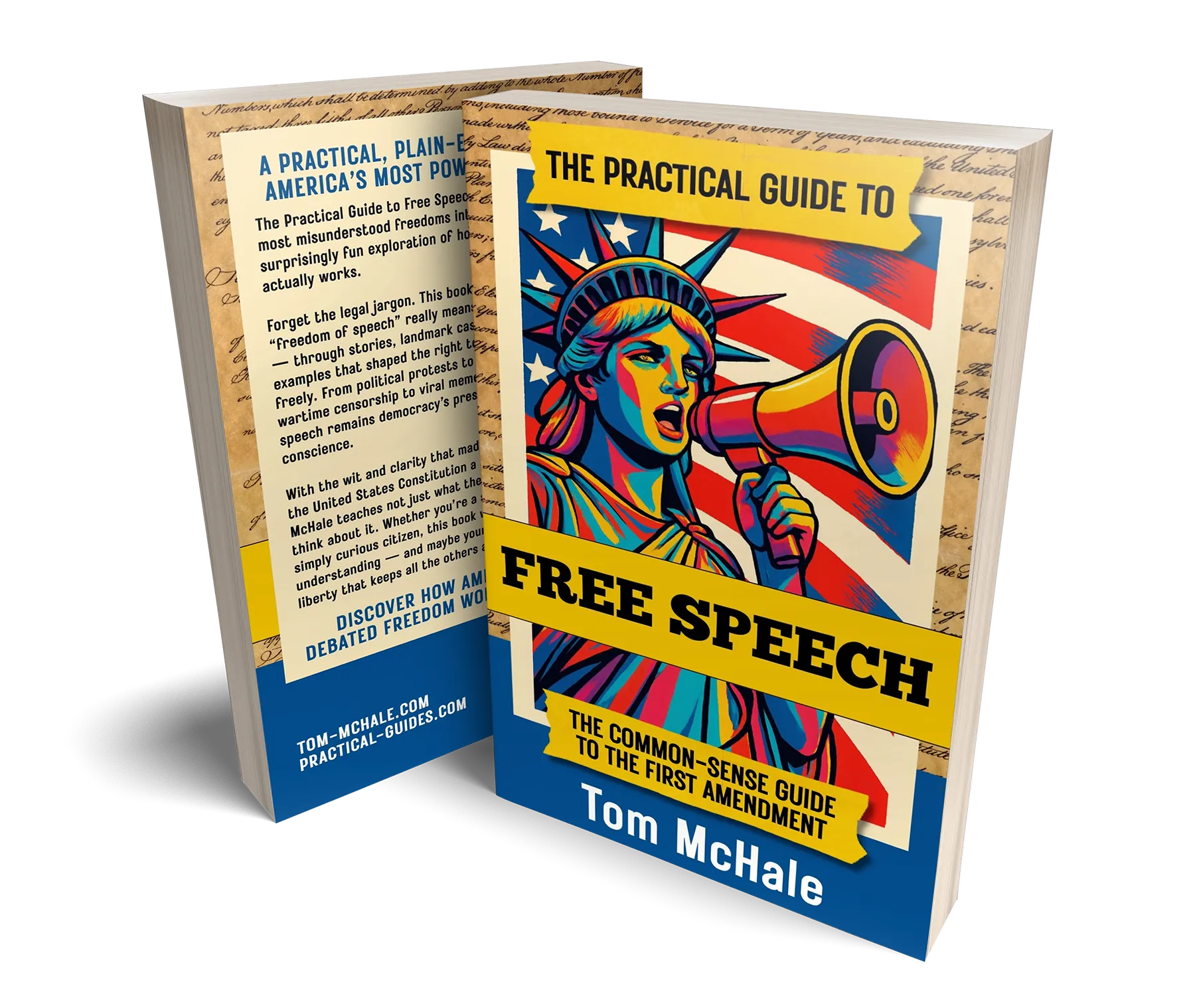
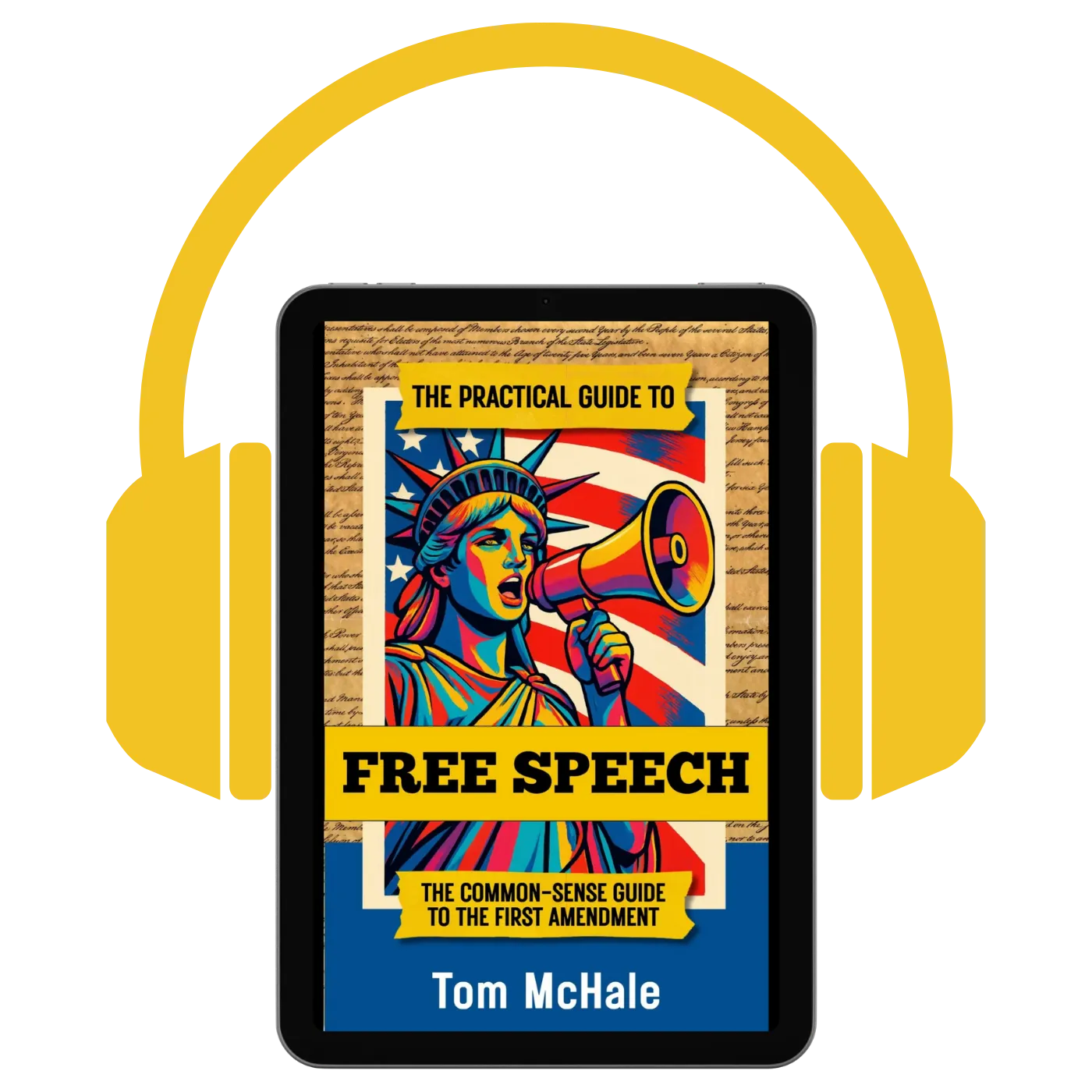
The Practical Guide to Free Speech
Everyone has opinions about free speech. Almost nobody can explain what the First Amendment actually protects — and what it doesn't. This book fixes that in about two hours.
What You'll Get:
- What "free speech" actually means (it's not what most people think)
- Landmark Supreme Court cases that shaped your rights — told as stories, not case briefs
- Why some speech is protected that probably shouldn't be, and some isn't that probably should be
- How social media and cancel culture fit a framework written in 1791
- The difference between "the government can't stop you" and "you can say whatever you want"
If I were a Civics High School Teacher, I would require my students to read all three of these books. I am a retired science teacher, age 83. Read it. Learn it. Love it.
— Arthur G., retired teacher
What's Inside
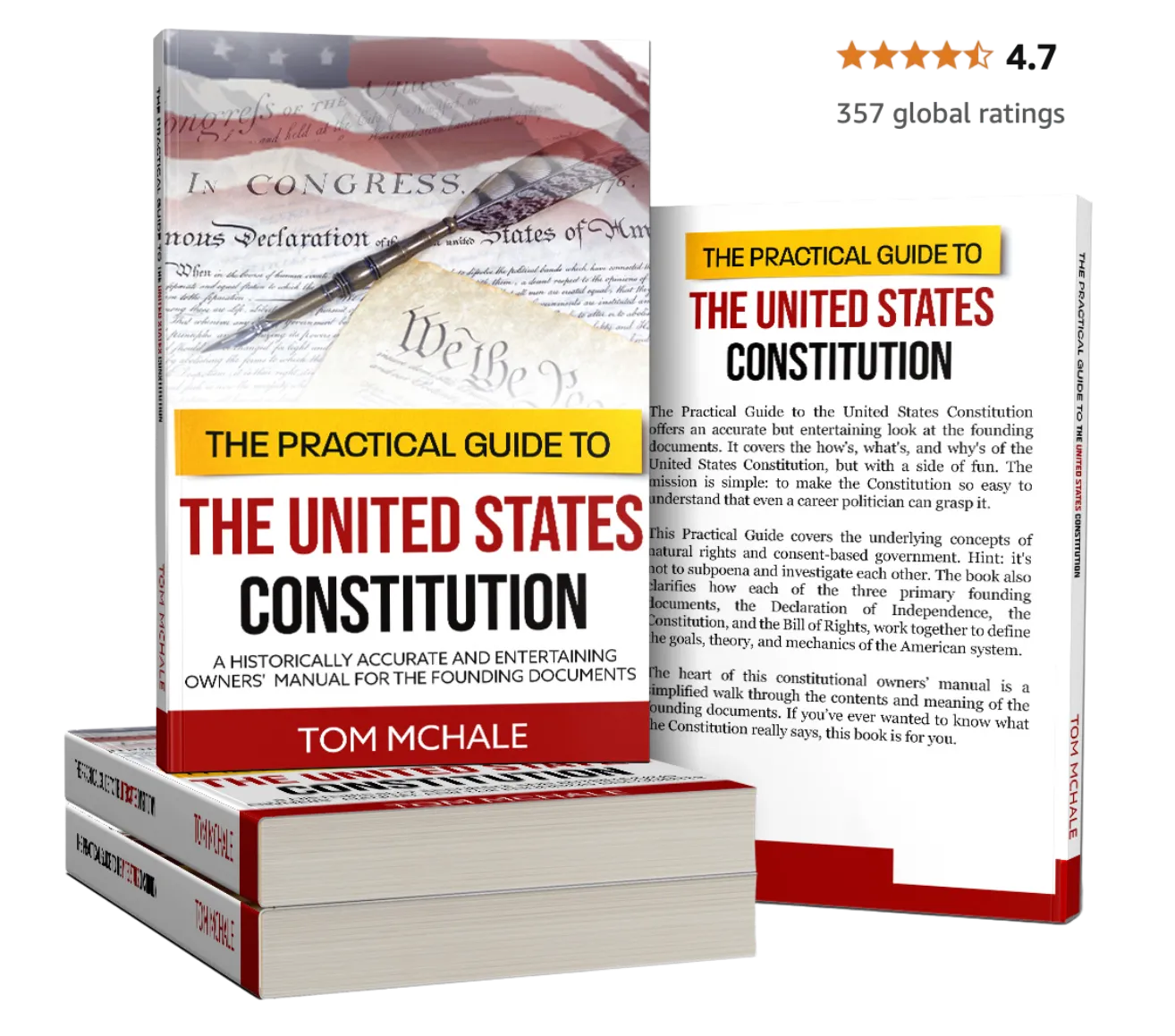
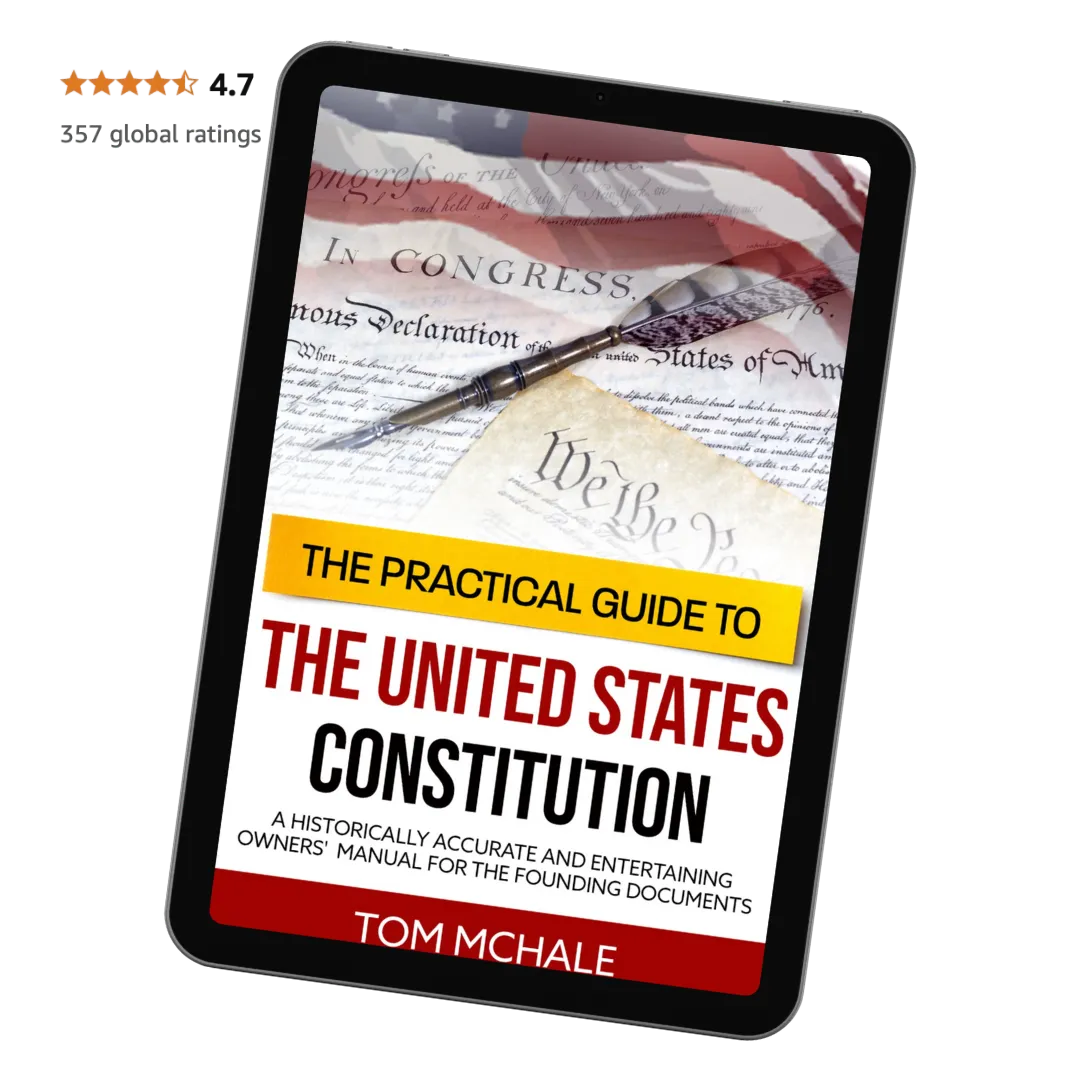
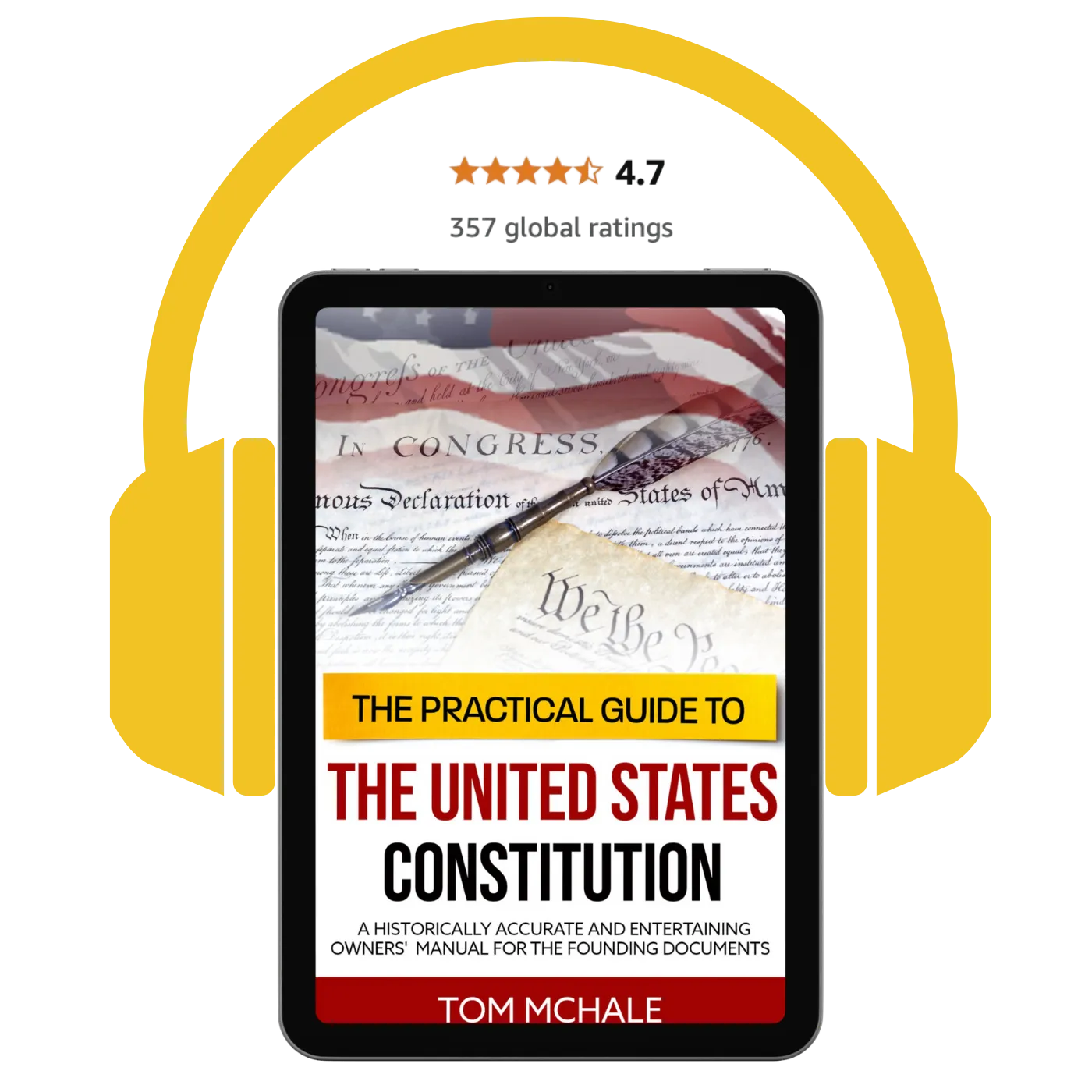
The Practical Guide to the United States Constitution
The Constitution is four pages long. The arguments about what it means have lasted 230+ years. This book explains both — without putting you to sleep.
What You'll Get:
- The real story behind the Constitutional Convention (it almost fell apart, multiple times)
- What each article and amendment actually means — in plain English
- Why the Bill of Rights was a last-minute save that changed everything
- The founder arguments still playing out in today's headlines
- How to actually read the Constitution and understand what you're looking at
Got these for my granddaughter. I started reading. She can have them when I'm done. Very entertaining and clearly written.
— Karen S.
What's Inside
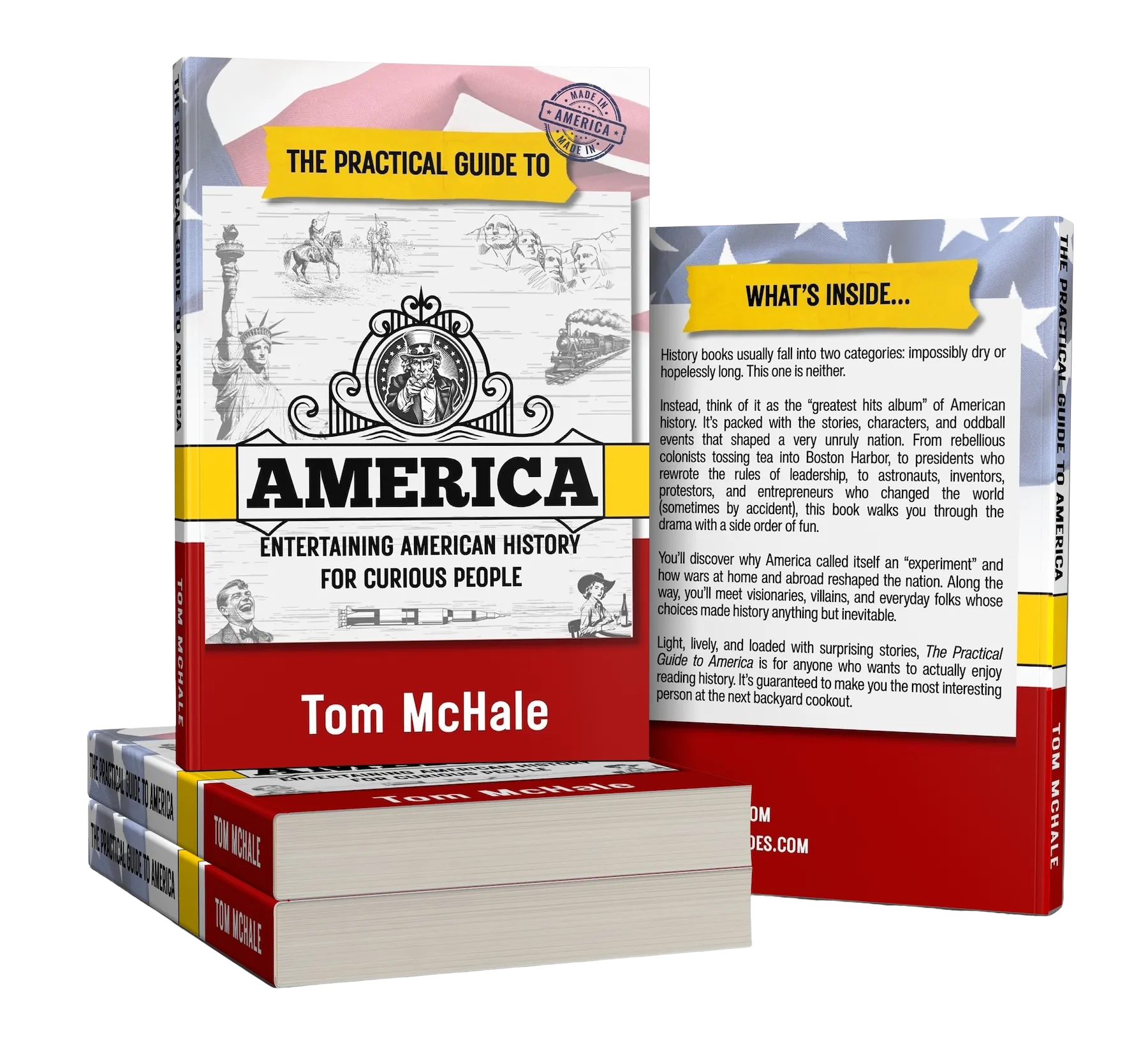
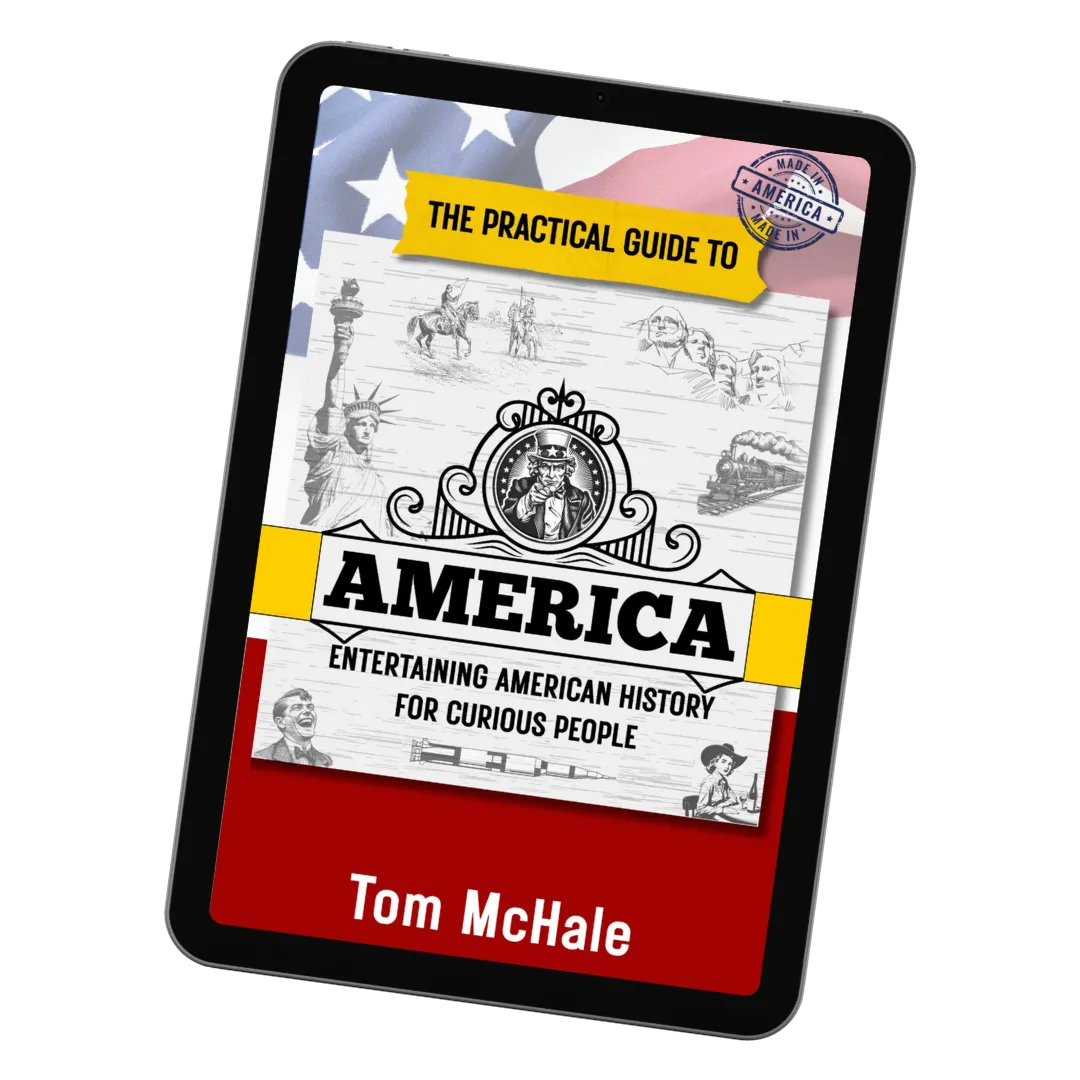
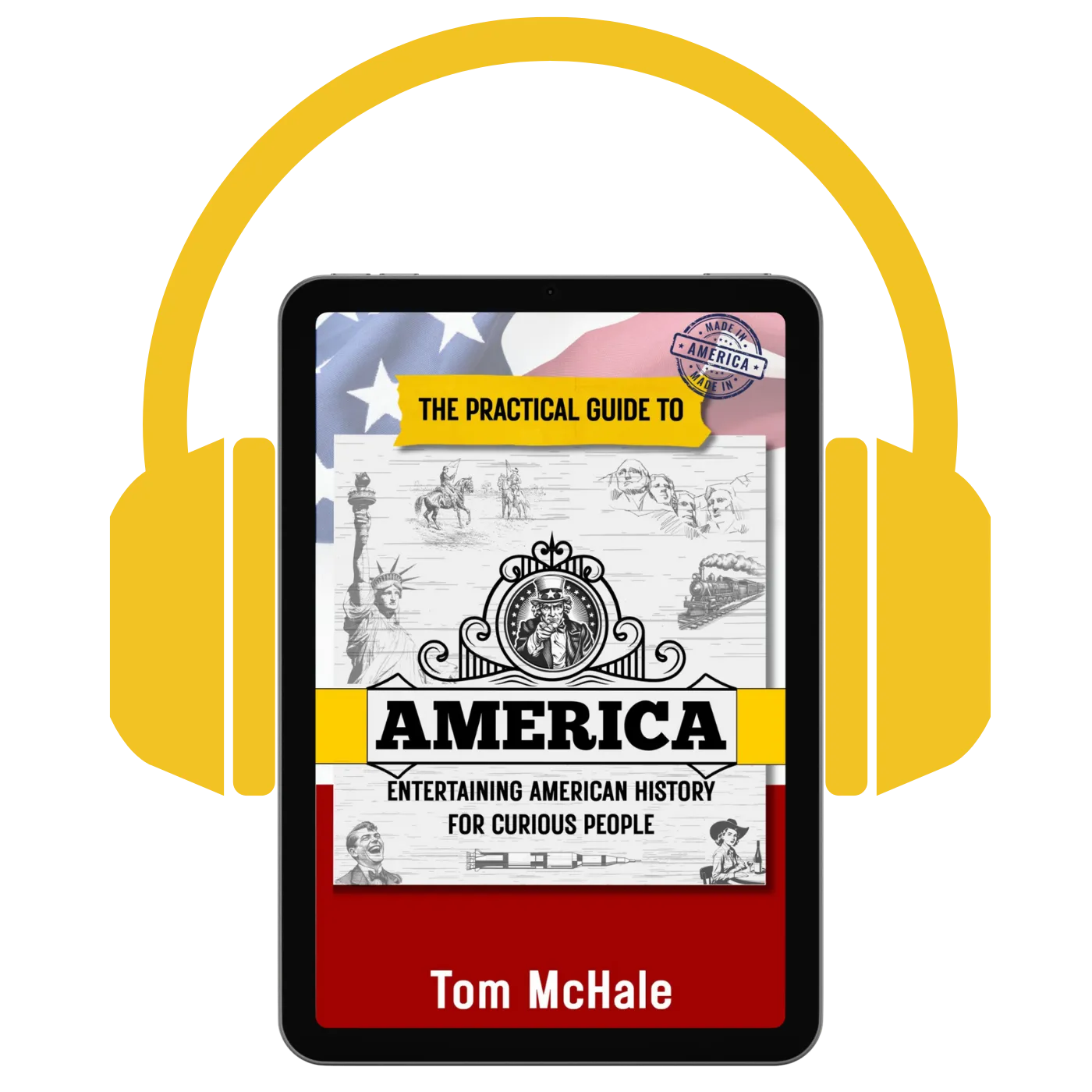
The Practical Guide to America
How did we get from "a bunch of colonies that couldn't agree on anything" to "the country that changed the world?" This book tells that story — start to finish, without the boring parts.
What You'll Get:
- The real reasons the colonies broke from Britain (it wasn't just tea)
- How westward expansion, slavery, and the Civil War reshaped everything the founders built
- The moments that nearly ended America — and the ones that defined it
- Why knowing this story changes the way you read today's headlines
- History told like a story, not a timeline
Learned more regarding our history than in 16 years of school.
— Charlene B.
For grown-ups who decided to actually understand America.
These aren't textbooks. They're not political commentary. They're three short books that give you the context school skipped — told the way a smart friend would explain it over coffee.
Readers compare the writing to Bill Bryson. A 25-year history teacher says they're the best civics resource he's found. An 83-year-old retired science teacher says he'd require all three for every student. And readers keep buying extra copies for their kids and grandkids — which tells you something.
The only complaint? People wish they'd found them sooner.
It took me forever to sit down and write these. There are plenty of brilliant historians out there. Almost none of them write for the rest of us. The serious books keep getting written for other serious people, in language that puts you to sleep by page three.
So I wrote the refresher. And based on the mail I get, from grandparents, from late bloomers, from sixty-somethings who decided to stop nodding along, a lot of people were waiting for it too.
— Tom
I have all three of these books, and like them so much that I read them instead of my favorite fiction! Never having been a history buff and not getting much good info in school, these are filling in important gaps for me. Very entertaining, very clear and to the point.
— Anne D.
3 Book Sale
for just
$52.97
$45.97
$35.95
3 books! One low price!
30-Day Money-Back Guarantee
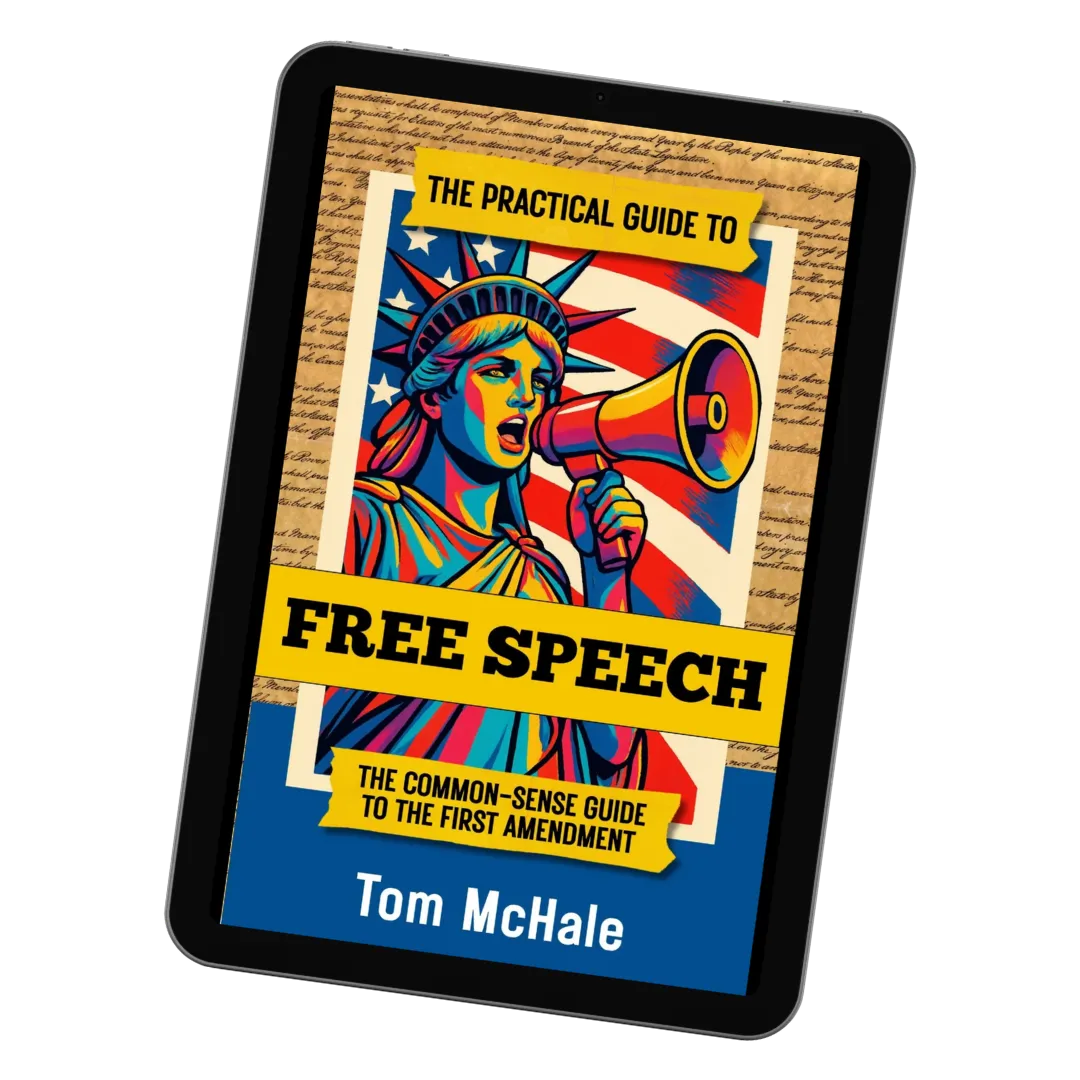
Prefer eBooks or Audiobooks?

About the Author
Tom McHale is the author of The Practical Guide series. He got curious, did the reading, and wrote the books he wished someone had handed him twenty years ago.
His writing has been described as "Bill Bryson meets civics class." He takes that as the highest possible compliment.
Tom lives with his family and an unreasonable number of books. He's melted three Kindles so far and is just getting warmed up.
You can find the latest at tom-mchale.com — and there's always a free eBook there for the taking.